
Hazardous Waste Disposal Costs Explained: What Businesses Should Know
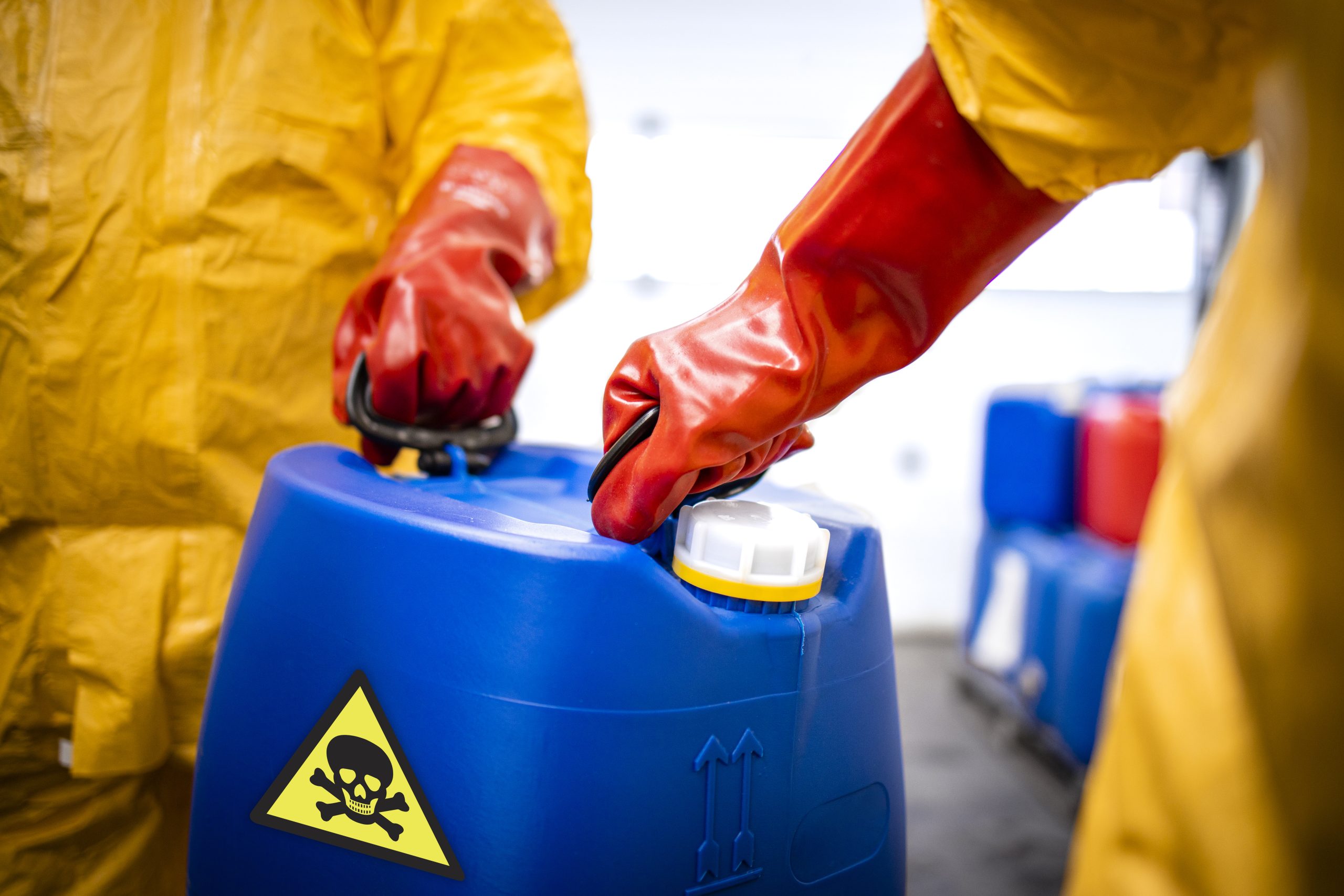
For businesses handling hazardous materials, understanding the costs associated with proper disposal is important for financial planning and environmental compliance. Hazardous waste disposal costs can vary based on several factors, and navigating these expenses requires informed decision-making.
As a specialist waste disposal company in the UK, we provide comprehensive waste disposal services to help businesses manage these challenges effectively.
What Factors Influence Hazardous Waste Disposal Costs?
The cost of hazardous waste disposal is not a one-size-fits-all figure. Several factors contribute to the overall expense:
Type and Volume of Waste
Different types of hazardous waste require different disposal methods, each with its own cost implications. The volume of waste also plays a significant role, with larger quantities often benefiting from economies of scale.
Handling and Transportation Requirements
Specialised handling procedures and transportation needs can greatly impact costs. Hazardous materials may require additional safety measures, which increases overall expenses.
Treatment and Disposal Methods
The chosen disposal method affects the final cost, whether incineration, chemical treatment, or landfill. Some methods are more expensive but may be necessary for certain types of waste.
Regulatory Compliance
Adhering to UK regulations for hazardous waste disposal involves its own set of compliance costs, including professional documentation and licensing fees.
How Can Businesses Estimate Their Hazardous Waste Disposal Costs?
While exact costs vary, businesses can estimate their expenses by:
- Conducting a thorough waste audit to identify types and quantities of hazardous materials.
- Researching current market rates for disposal of specific waste types.
- Factoring in transportation and handling costs based on location and waste characteristics.
- Considering any necessary pre-treatment processes.
Our team can assist in identifying hazardous waste in your business operations, helping you better understand potential disposal costs.
What Are the Hidden Costs of Hazardous Waste Disposal?
Beyond the direct disposal fees, businesses should be aware of potential hidden costs:
- Training and Equipment: Proper handling of hazardous waste requires specialised training for staff and potentially specialised equipment, both of which represent ongoing costs.
- Storage Facilities: Secure, compliant storage for hazardous waste before disposal can involve an investment in appropriate facilities.
- Insurance and Liability: Handling hazardous materials may increase insurance premiums and potential liability costs in case of accidents or spills.
- Administrative Overheads: Managing documentation, tracking waste movements, and complying with regulations contribute to administrative costs.
How Can Businesses Reduce Their Hazardous Waste Disposal Costs?
While hazardous waste disposal will always involve some expense, businesses can take steps to minimise costs. Implementing waste reduction strategies can decrease the volume of hazardous materials generated. Exploring recycling solutions for applicable materials can reduce disposal needs. Proper training will help improve efficient handling and reduce the risk of costly mistakes. Partnering with experienced waste management providers is an option that can lead to more cost-effective solutions.
Understanding Landfill Tax and Its Impact on Disposal Costs
The UK’s Landfill Tax encourages businesses to explore more sustainable waste management options. Understanding how this tax applies to different types of waste can help businesses make more informed disposal decisions and potentially reduce overall costs.
The Landfill Tax operates on a two-tier system: a standard rate for active waste and a lower rate for inactive waste. Hazardous waste falls under the standard rate, which is higher. This tax structure incentivises businesses to consider alternative disposal methods, such as recycling or energy recovery, which may be more cost-effective in the long run.
The Importance of Proper Budgeting for Hazardous Waste Disposal
Given the complexity of factors influencing hazardous waste disposal costs, good budgeting is required for businesses. This involves:
- Regular assessment of waste generation patterns.
- Staying informed about regulatory changes that might affect costs.
- Considering long-term waste management strategies to optimise expenses over time.
- Building a contingency fund for unexpected waste management needs.
How Does Technology Impact Hazardous Waste Disposal Costs?
Advancements in technology are playing an increasingly vital role in hazardous waste management, often with positive implications for disposal costs:
Digital Waste Tracking Systems
Implementing digital tracking systems helps streamline administrative processes, reducing labour costs and minimising errors in documentation. These systems provide real-time data on waste volumes and types for more accurate cost forecasting and efficient route planning for waste collection.
Advanced Treatment Technologies
Emerging treatment technologies, like plasma gasification and supercritical water oxidation, offer new possibilities for waste disposal. While initial investment in these technologies can be high, they often lead to reduced long-term disposal costs and improved environmental outcomes.
Automated Sorting Systems
AI-powered sorting systems help improve the efficiency of waste segregation by reducing contamination and potentially lowering disposal costs for specific waste streams. This technology can be beneficial for businesses dealing with diverse types of hazardous waste.
Staying informed about these technological advancements and considering their implementation allows businesses to potentially reduce hazardous waste disposal costs while improving overall waste management efficiency.
What is the Role of the Circular Economy in Reducing Hazardous Waste Disposal Costs?
Adopting circular economy principles can have a substantial impact on hazardous waste disposal costs for businesses:
Waste Reduction at Source
By redesigning processes and products with waste minimisation in mind, businesses can reduce the volume of hazardous waste generated. This helps to lower disposal costs, leads to more efficient use of resources, and reduces raw material costs.
Reuse and Recycling Opportunities
Exploring opportunities for reusing or recycling hazardous materials within your operations or in partnership with other industries can dramatically reduce disposal needs. For instance, some solvents can be redistilled and reused multiple times before needing disposal.
Extended Producer Responsibility
Taking responsibility for the entire lifecycle of products, including their disposal, can work to incentivise businesses to design products that are easier and less costly to dispose of at the end of their life. This approach may involve initial costs but can lead to long-term savings and improved brand reputation.
Collaboration and Industrial Symbiosis
Partnering with other businesses to find uses for each other’s waste can turn disposal costs into potential revenue streams. What is hazardous waste for one industry might be a valuable resource for another, creating win-win situations that reduce overall disposal costs.
By embracing these circular economy principles, businesses can reduce hazardous waste disposal costs and contribute to a more sustainable and resource-efficient economy.
Partner with Packaging Reuse for Cost-Effective Hazardous Waste Management
Navigating the complexities of hazardous waste disposal costs requires expertise and strategic planning. At Packaging Reuse, we offer tailored solutions to help businesses manage their hazardous waste efficiently and cost-effectively.
Our professional services include waste audits, disposal planning, and ongoing support to help you optimise your waste management processes and control costs. By partnering with us, businesses can benefit from our industry expertise, potentially reducing their overall disposal costs while ensuring full compliance with regulations.
Get in Touch Today
Contact us today to learn how we can help you develop a cost-effective approach to hazardous waste disposal. Our professionals are ready to work with you to create a sustainable and economically viable waste management strategy.


