
The Role of Employee Training in Safe Hazardous Waste Handling
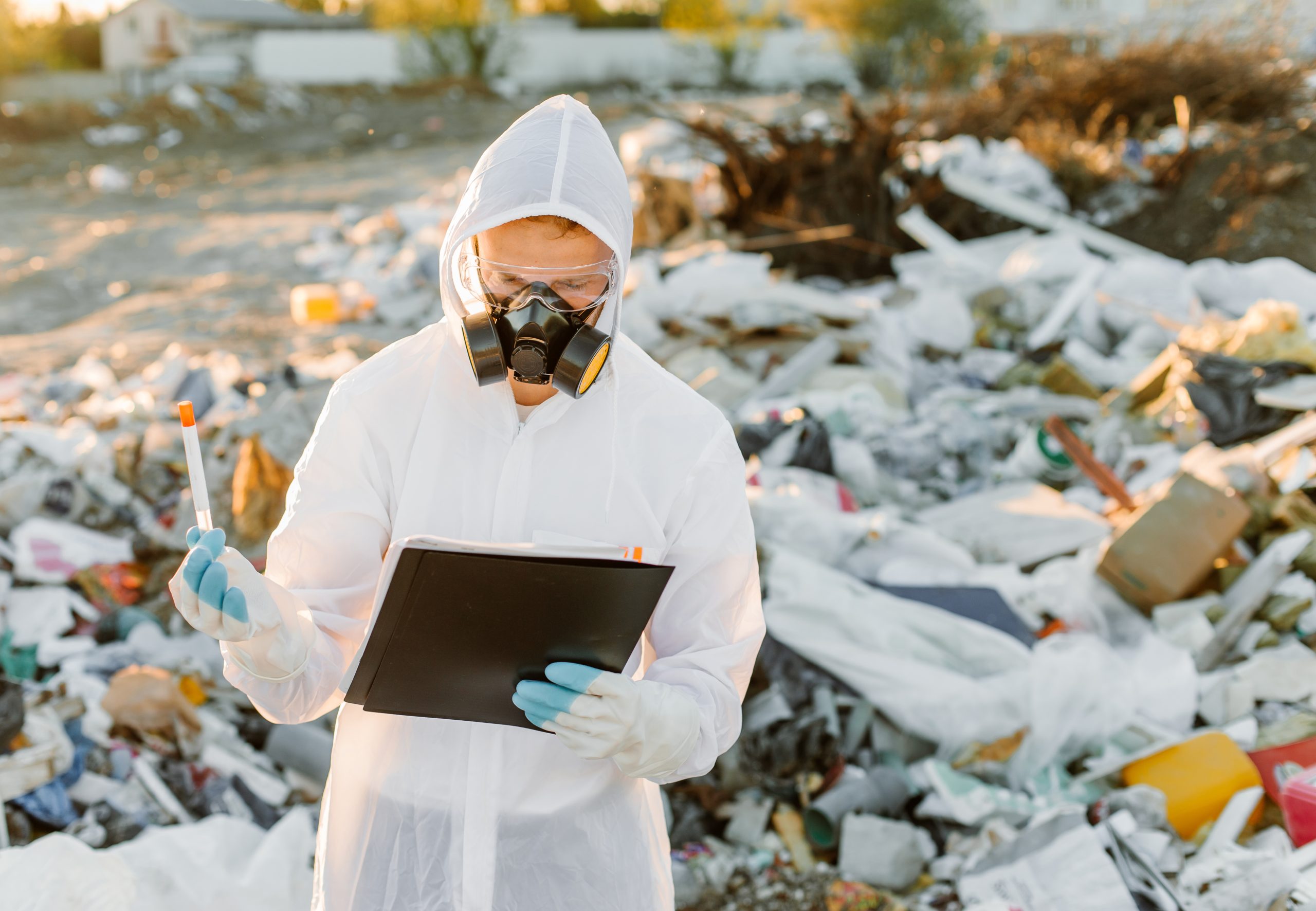
In the complex world of waste management, professional handling of hazardous materials matters for environmental protection and workplace safety. Comprehensive employee training for businesses dealing with hazardous waste isn’t just a legal requirement, but a fundamental aspect of responsible operations.
At Packaging Reuse, we value the role of effective hazardous waste solutions in the UK in maintaining safe and compliant workplaces.
Why is Hazardous Waste Handling Training Essential?
Hazardous waste handling training matters for several reasons, with legal compliance being at the forefront. UK regulations mandate that employees handling hazardous waste receive appropriate training. This is in relation to businesses meeting their legal obligations and avoiding potential fines or penalties, which can be substantial in this regulated industry.
Safety assurance is another critical aspect of this training. Proper instruction helps reduce the risk of accidents, spills, or exposure to dangerous substances, thereby protecting employees and the environment. In an industry with high stakes, this knowledge can be the difference between a safe workplace and a catastrophic incident.
There is also the role of training in environmental protection. Correct handling procedures, learned through comprehensive training programmes, help prevent environmental contamination and support sustainable waste management practices.
What Should a Comprehensive Hazardous Waste Handling Training Programme Cover?
An effective training programme should encompass some of the following key areas:
Waste Identification and Classification
Employees must understand how to identify different types of hazardous waste and their associated risks. This includes recognising hazard symbols and interpreting safety data sheets.
Proper Handling Techniques
Training should cover safe handling procedures for various types of hazardous waste, including using personal protective equipment (PPE) and correct lifting techniques.
Storage and Segregation Protocols
Employees must learn how to store hazardous waste safely, including segregation requirements for incompatible materials and adequate labelling practices.
Emergency Response Procedures
Training should prepare employees to respond effectively to hazardous waste spills, leaks, or other emergencies.
Documentation and Record-Keeping
Professional documentation is important in hazardous waste management. Employees should be trained in maintaining accurate records and completing necessary paperwork.
How Often Should Hazardous Waste Handling Training Be Conducted?
The frequency of hazardous waste handling training is an important consideration for maintaining a safe and compliant workplace. Initial training forms the foundation, with all new employees who will handle dangerous waste receiving comprehensive instruction before starting their work.
However, training shouldn’t be a one-time event. Regular refresher courses, conducted annually, help reinforce key concepts and update employees on any changes in regulations or procedures. This ongoing education keeps safety at the forefront of employees’ minds and ensures they always work with the most current information.
Additional training sessions should be implemented when procedures change, or new types of hazardous waste are introduced to the workplace. This ensures employees are prepared for the hazards they face in their evolving work environment.
What Are the Best Methods for Delivering Hazardous Waste Handling Training?
Effective training can be delivered through the following methods:
- Classroom-Based Training: Traditional classroom sessions allow for in-depth discussions and immediate clarification of questions.
- Hands-On Practical Training: Practical demonstrations and exercises help employees gain confidence in handling procedures and equipment use.
- E-Learning Modules: Online training can provide flexibility and allow employees to learn at their own pace, especially useful for refresher courses.
How Can Businesses Maintain the Effectiveness of Their Training Programmes?
To maximise the impact of hazardous waste handling training:
Tailor Training to Specific Needs
Customise training content to address the specific types of hazardous waste and handling procedures relevant to your business.
Engage Employees
Use interactive training methods and real-world examples to keep employees engaged and help them understand the relevance of the training to their daily tasks.
Assess Comprehension
Regularly evaluate employee understanding through tests, practical assessments, or on-the-job observations.
Encourage Feedback
Create channels for employees to provide feedback on training effectiveness and suggest improvements.
Consequences of Inadequate Hazardous Waste Handling Training?
Failing to provide adequate training can lead to serious consequences:
Safety Risks
Untrained or poorly trained employees are more likely to be involved in accidents or expose themselves and others to hazardous materials.
Legal and Financial Penalties
Non-compliance with training requirements can result in fines and legal action against the business.
Environmental Damage
Improper handling due to lack of training can lead to environmental contamination, potentially resulting in costly clean-up operations and reputational damage.
Operational Inefficiencies
Inadequately trained staff may handle waste inefficiently, leading to increased disposal costs and potential disruptions to business operations.
Partner with Packaging Reuse for Expert Hazardous Waste Handling Consultation
At Packaging Reuse, we understand the importance of proper hazardous waste handling practices. Our comprehensive waste disposal services include expert consultation to help you develop and implement effective hazardous waste management strategies. We offer:
- Customised assessments of your unique hazardous waste challenges.
- Guidance on best practices for safe handling and disposal.
- Regular updates on compliance with the latest regulations.
- Ongoing support and consultation for all your hazardous waste management needs.
Get in Touch Today
Contact us today to learn how our expert hazardous waste handling consultation can benefit your business. Our team is ready to work with you to develop strategies that meet your specific needs and ensure the highest safety and compliance standards in your hazardous waste management operations.


