
How Packaging Reconditioning Is Influencing UK Export Trends
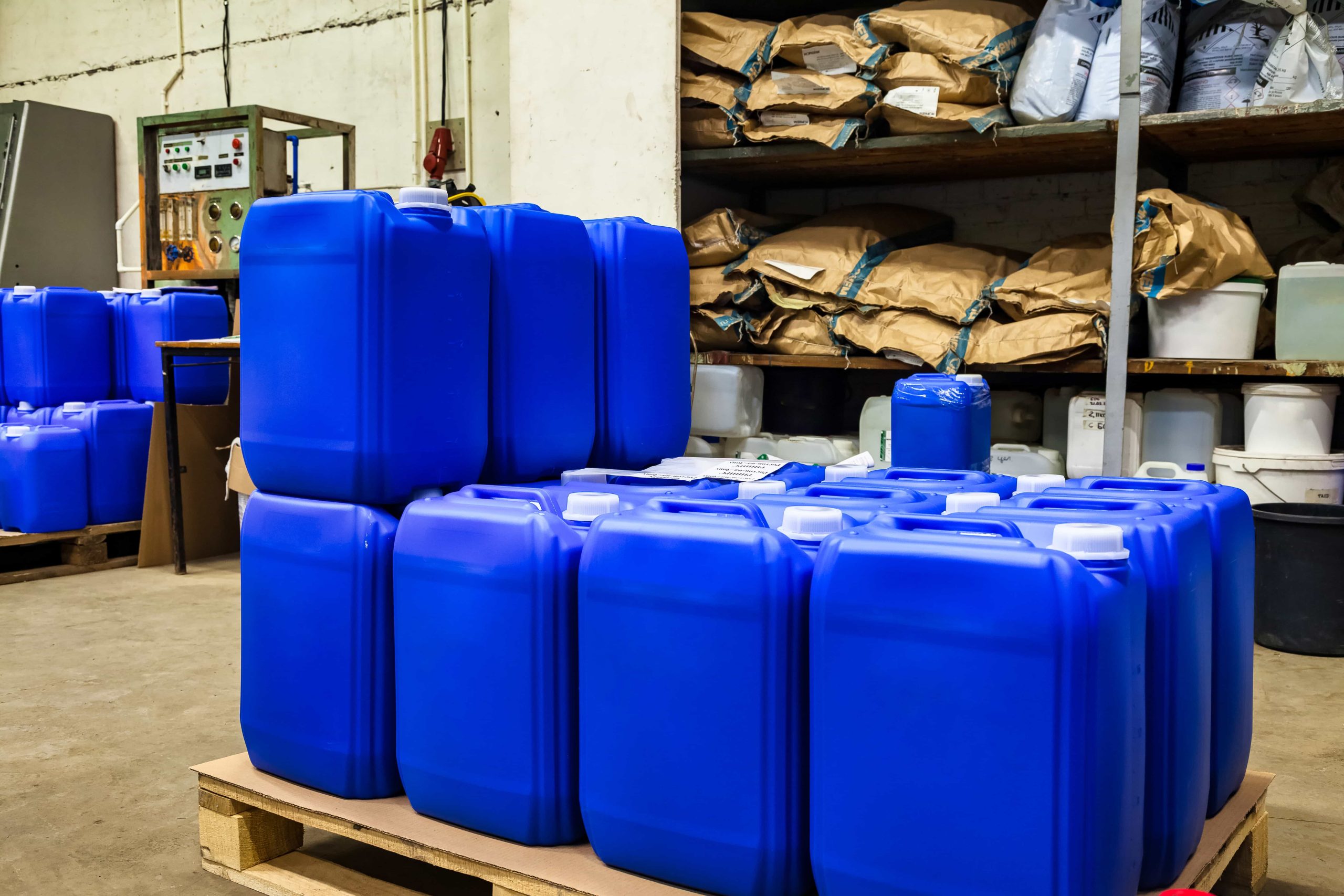
Packaging reconditioning practices shape UK export trends as businesses adapt to environmental regulations and cost pressures. With the UK exporting goods averaging billions annually across various sectors like manufacturing, plastic packaging and other packaging materials play a key role in export competitiveness. Companies are starting to understand how professional reconditioning helps reduce costs and meets international sustainability requirements, creating new opportunities in global markets.
How Is Packaging Reconditioning Affecting UK Export Competitiveness?
Packaging reconditioning is becoming a strategic advantage for UK exporters across multiple sectors. As international markets prioritise sustainability, waste management and cost efficiency, businesses that use reconditioned packaging stand to gain through reduced operational costs and enhanced environmental credentials.
UK exporters in key sectors such as chemicals, pharmaceuticals, and food products find that packaging reconditioning helps them meet domestic and international regulatory requirements more cost-effectively. This approach retains the high-quality packaging standards required for export markets while reducing packaging waste and environmental impact through improved resource efficiency.
The circular economy principles driving packaging reconditioning align with international trade trends towards sustainability. Export destinations now favour suppliers that show a clear environmental responsibility through their packaging choices, making reconditioning a valuable differentiator in competitive global markets supporting the transition to a circular economy.
What Do UK Export Statistics Reveal About Packaging Demand?
UK export data shows strong performance across sectors that rely heavily on industrial packaging. According to the United Nations COMTRADE database on international trade, the country’s total exports amounted to an estimated £401.60 billion, with large volumes in machinery (£66.95 billion), pearls and precious stones (£64.30 billion), mineral fuels and oils (£27.28 billion)—all sectors that require substantial plastic and other packaging resources.
These export volumes translate into massive requirements for the amount of packaging needed, creating opportunities for reconditioning services. Chemical exports alone require thousands of drums- plastic and metal, specialised containers and IBCs annually, many of which can be reconditioned multiple times before becoming packaging waste.
Export growth in emerging markets drives demand for cost-effective and reusable packaging solutions. UK companies expanding into new international markets face pressure to reduce packaging costs per unit shipped, making reconditioned plastic packaging and other materials attractive for maintaining competitive pricing.
How Are EPR Regulations Driving Export Packaging Trends?
Extended Producer Responsibility (EPR) regulations are reshaping how UK exporters approach packaging management. They require packaging producers and businesses to take responsibility for the full lifecycle of their packaging, influencing domestic operations and export strategies.
Domestic EPR Impact
UK businesses face increased costs for plastic packaging disposal and the need to recycle materials properly, creating strong incentives to adopt reconditioning practices. Companies that export must balance these domestic responsibilities with international packaging requirements.
International Compliance Requirements
Export destinations are implementing similar EPR frameworks that require UK exporters to show responsible packaging management across international supply chains. Professional reconditioning services help companies comply with the documentation needed for customs clearance and regulatory approval.
Supply Chain Documentation
EPR regulations require detailed tracking of plastic and other packaging materials throughout their lifecycle. This documentation requirement supports the growth of professional reconditioning services that provide certified processes and quality assurance needed for export compliance.
What Are the Main Benefits for UK Exporters Using Reconditioned Packaging?
Professional packaging reconditioning delivers multiple benefits for companies engaged in international trade:
- Reduced packaging procurement costs compared to new containers
- Lower packaging waste disposal fees through extended packaging lifecycles
- Improved profit margins on export shipments through cost savings and resource efficiency
- Reduced exposure to plastic packaging price volatility in global markets
- Reliable supply of quality packaging for consistent export schedules
- Professional quality assurance meeting international standards
- Reduced inventory management complexity through reconditioning partnerships
- Enhanced logistics efficiency through standardised packaging solutions
How Are Different Export Sectors Adopting Reconditioning?
Various UK export sectors are embracing packaging reconditioning in different ways, including:
Chemical and Pharmaceutical Exports
- High-value products justify investment in premium reconditioning
- Strict quality standards require professional cleaning and certification
- Regulatory compliance demands detailed documentation of plastic packaging history
- Long-distance shipping requires robust, reliable packaging performance
Food and Agricultural Exports
- Cost pressures drive adoption of reconditioned packaging for bulk shipments
- Food safety regulations require specialised cleaning and certification processes
- Seasonal export patterns benefit from flexible reconditioning capacity
- International quality standards demand consistent plastic packaging performance
What Challenges Do Exporters Face With Packaging Reconditioning?
Despite the clear benefits, UK exporters continue to face the following challenges when implementing reconditioning strategies:
Quality Assurance Requirements
International markets have stringent quality requirements for plastic packaging and other materials, requiring professional reconditioning services that provide appropriate certification and testing. Exporters must balance cost savings with quality standards demanded by overseas customers and regulatory authorities.
Supply Chain Coordination
Coordinating reconditioning activities with export schedules requires careful planning and reliable service providers. To avoid delays, companies must work with partners who understand reconditioning processes and international shipping requirements.
Regulatory Complexity
Different export destinations have varying requirements for packaging materials, especially for chemicals or food items. Professional disposal services help navigate these complex regulatory landscapes across multiple jurisdictions while managing packaging waste responsibly.
How Will Future Export Trends Shape Packaging Reconditioning?
Several trends will likely increase the importance of packaging reconditioning for UK exporters:
- Sustainability requirements from international customers increasingly prioritise suppliers with strong environmental credentials. Packaging reconditioning provides demonstrable sustainability benefits that support export competitiveness in environmentally conscious markets whilst reducing packaging waste as businesses transition towards more sustainable practices.
- Digital trade documentation systems will make tracking plastic packaging lifecycle information easier across international supply chains, supporting the growth of professional reconditioning services that provide detailed documentation.
- Regional trade agreements often include environmental provisions that favour sustainable business practices. Packaging reconditioning aligns with these requirements and may provide preferential access to certain markets for packaging producers demonstrating circular economy principles and helping to reduce the amount of packaging waste generated.
What Role Do Professional Services Play in Export Success?
Professional reconditioning services are becoming important partners for successful UK exporters. These services provide the expertise, infrastructure and documentation needed to meet complex international requirements while keeping costs competitive and improving resource efficiency.
Quality assurance processes ensure that reconditioned plastic packaging meets the standards required for international shipping and regulatory compliance. Professional reconditioning operations provide the testing, certification and documentation that exporters need for smooth customs clearance.
The scalability offered by professional services allows exporters to adjust their packaging capacity based on market demand without major capital investments. This supports market expansion and helps companies respond to changing export opportunities while minimising packaging waste and supporting the transition to a circular economy.
Partner with Packaging Reuse for Export-Ready Packaging Solutions
At Packaging Reuse, we understand how packaging reconditioning supports UK export competitiveness. Our services help exporters and businesses interested in exporting successfully, reduce costs, meet international quality standards and demonstrate their environmental responsibility to international customers.
We provide professional reconditioning of industrial packaging that meets the strict standards required for international trade. Our quality assurance processes and documentation facilitate customs clearance and regulatory compliance across diverse export markets. Contact us to discuss how packaging reconditioning can support your export activities.


