
Innovative Materials Shaping the Future of Packaging Reuse
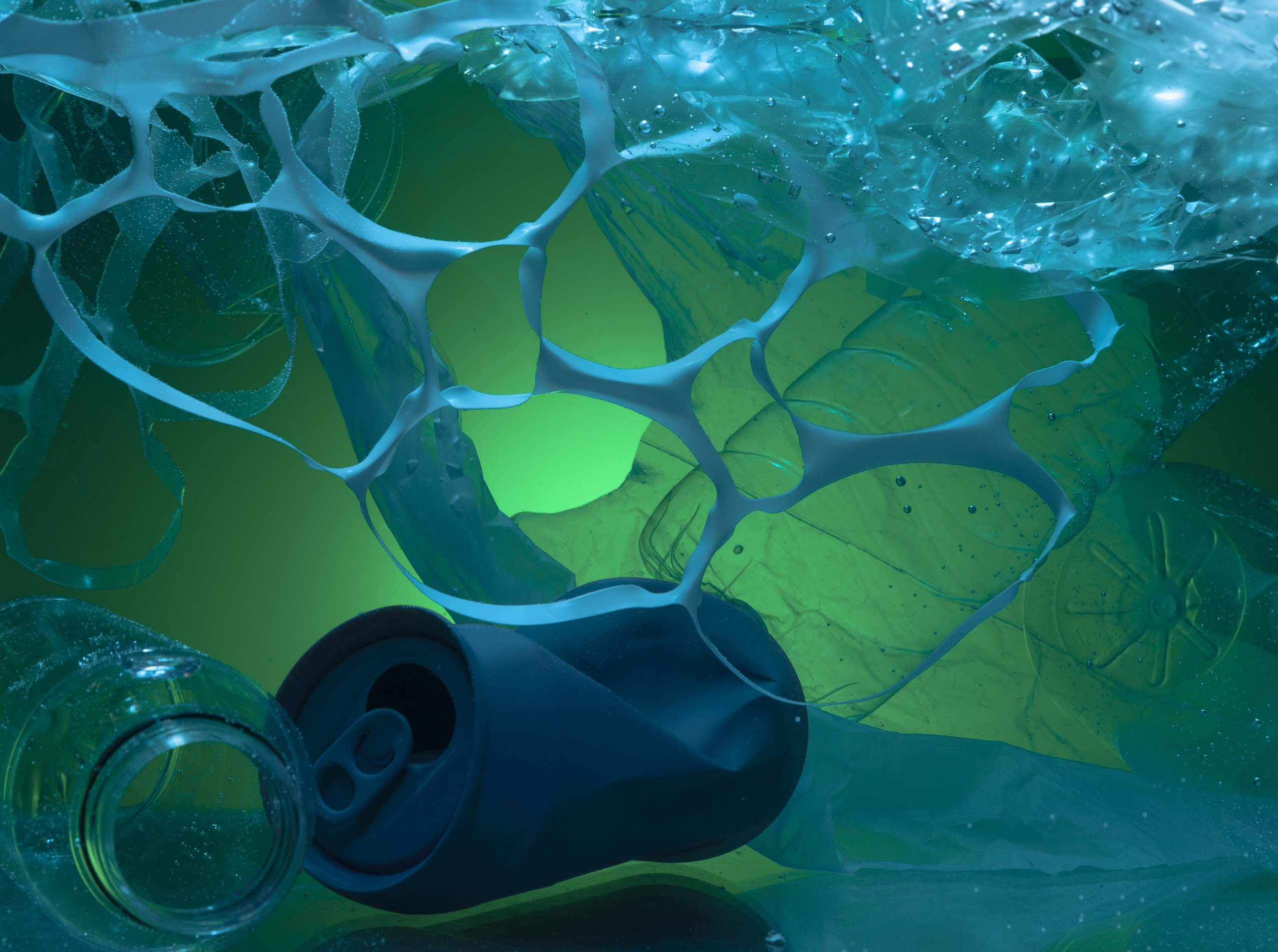
Innovative packaging materials are transforming business approaches to sustainability and reuse in the packaging industry. As regulations increase, companies are exploring sustainable packaging alternatives that extend lifecycles, reduce environmental impact from plastic packaging, and remain functional.
These eco-friendly innovations create new opportunities for packaging reuse while addressing traditional sustainability barriers, helping businesses prepare for a future where resource efficiency is paramount and single-use plastic is minimized.
Why Are Innovative Materials Critical for Packaging Reuse?
Conventional plastic packaging presents significant limitations for reuse. Traditional plastics degrade after reconditioning, paper-based materials lose integrity when exposed to moisture, and composite materials prove difficult to separate for recycling, contributing to millions of tonnes of plastic waste annually.
Advanced sustainable packaging materials address these challenges by incorporating properties designed for circular use. These environmentally friendly innovations focus on durability for multiple cycles, easier reclamation at end-of-life, and reduced environmental footprint.
Through material science breakthroughs, packaging can now be designed from the molecular level for effective reconditioning and reuse, fundamentally changing what is possible in sustainable packaging solutions and reducing dependence on single-use plastic containers.
What Materials Are Transforming Packaging Reusability?
The following material innovations are reshaping packaging reuse possibilities across the packaging industry:
1. Bio-based Polymers
- Plant-derived plastics made from cornstarch, sugarcane, and algae
- Engineered for strength comparable to conventional plastic packaging
- Designed for biodegradability when recycling isn’t viable
- Compatible with existing reconditioning processes
2. Advanced Recyclable Composites
- Multi-layer materials that are designed for easy separation during recycling
- Self-separating layers that respond to specific processing conditions
- Barrier properties without compromising recyclability
- Engineered for multiple reconditioning cycles to replace single-use alternatives
How Are Nanotechnology Advances Improving Packaging Materials?
Nanotechnology is helping to create major breakthroughs in sustainable packaging reusability:
Improved Barrier Properties
Nanocomposites use less material to create superior barriers against oxygen, moisture, and contaminants in plastic packaging. These ultra-thin protective layers perform through multiple use cycles, extending the packaging lifespan while protecting the product and reducing tonnes of plastic needed for manufacturing.
Strengthened Material Performance
Nanomaterials like graphene also improve strength-to-weight ratios, allowing for thinner, lighter plastic packaging that maintains durability through numerous handling cycles. These reinforced materials resist the microfractures that typically lead to failure during reuse.
Self-Healing Capabilities
Self-healing materials incorporate nanocapsules that release repair compounds when packaging is damaged. This technology extends usable life by automatically addressing minor damage, drastically increasing possible reuse cycles before disposal becomes necessary.
What Smart Materials Are Emerging in Reusable Packaging?
Intelligent or “smart” materials, many of which are renewable packaging options, respond to environmental conditions and create new possibilities for reusable alternatives to conventional plastic packaging:
Phase-Change Materials
These materials absorb and release heat to maintain optimal temperature ranges, reducing product damage during transport and storage through multiple use cycles.
Shape-Memory Polymers
Materials that return to predetermined shapes after deformation help packaging maintain structural integrity through multiple uses, reducing damage during handling and storage.
Chromogenic Materials
These materials change colour in response to environmental factors, providing visual indicators of condition and helping determine when reconditioning is needed or when a package has reached end-of-life.
How Do These Materials Support Environmental Goals?
Innovative packaging materials help the packaging industry drive environmental sustainability efforts through:
Resource Efficiency
- Lighter materials reduce transportation emissions
- Stronger materials enabling packaging downsizing
- Longer life spans decrease replacement frequency for plastic packaging
- Enhanced recyclability, improving material recovery and reducing tonnes of plastic waste
Waste Reduction
- Materials designed for complete recycling at end-of-life
- Biodegradable packaging options for when recycling isn’t available
- Improved reconditioning compatibility extends useful life
- Reduced contamination issues in recycling streams
What Practical Applications Are These Materials Finding?
These sustainable packaging innovations are finding application across various sectors:
Industrial Transport Packaging
Advanced polymer IBCS incorporating nanomaterials achieve more reuse cycles than conventional versions, maintaining structural integrity and barrier properties through multiple reconditioning processes. Our professional waste management services include reconditioning these advanced containers to maximise their extended lifespans.
Chemical Packaging
Smart packaging with embedded sensors monitors container integrity, helping prevent leaks of hazardous materials through early detection of potential failures. These technologies are particularly valuable for chemical packaging that must maintain safety through numerous reuse cycles.
Food and Beverage Applications
Biopolymer containers with antimicrobial properties maintain food safety through multiple use cycles, actively resisting bacterial growth without requiring harsh cleaning chemicals during reconditioning, providing sustainable alternatives to single-use plastic packaging.
Retail and Consumer Packaging
Lightweight but durable composites that maintain appearance through numerous consumer handling cycles create new opportunities for refill and return systems that dramatically reduce single-use plastic consumption.
What Challenges Remain in Adopting These Materials?
Despite their promise for reducing plastic waste, challenges affect widespread adoption:
Cost Considerations
Many advanced sustainable packaging materials currently have higher initial costs than conventional plastic alternatives. Businesses must evaluate these costs against the extended lifespans and reduced replacement frequency these materials offer. Our packaging products include options that balance innovation with cost-effectiveness.
Performance Verification
Some materials lack long-term performance data in real-world conditions, requiring testing and validation to perform as expected through multiple reuse cycles.
Compatibility With Existing Systems
Some materials require modifications to current reconditioning processes or handling equipment, creating implementation barriers for businesses with established reuse systems.
Regulatory Considerations
Innovative materials may face regulatory scrutiny and approval processes, especially for food contact or hazardous material packaging applications.
How Should Businesses Approach Innovative Packaging Materials?
For companies looking to reduce tonnes of plastic waste through packaging material innovations, we recommend:
- Conduct pilot testing to verify performance in your specific operating conditions
- Consider complete lifecycle costs, including extended longevity and reduced replacement needs
- Collaborate with materials suppliers and packaging specialists
- Implement gradually, introducing innovative materials that deliver the clearest benefits first
Partner with Packaging Reuse for Advanced Material Solutions
Navigating the evolving landscape of sustainable packaging materials requires specialist knowledge and practical experience. At Packaging Reuse, we help businesses identify and implement the appropriate materials for their specific packaging reuse requirements.
Our expertise includes evaluating material options against your operational needs, recommending solutions from our product range, and providing ongoing support. We offer reconditioning packaging solutions optimised for advanced materials that reduce dependence on single-use plastic.
Get in Touch Today
Contact us to discuss how innovative packaging materials can enhance your reuse programmes and help your business reduce its plastic packaging footprint.
Sources
https://www.ppmashow.co.uk/press-release/the-future-of-sustainable-packaging


