
Challenges and Solutions in Recycling Hard-to-Recycle Plastics
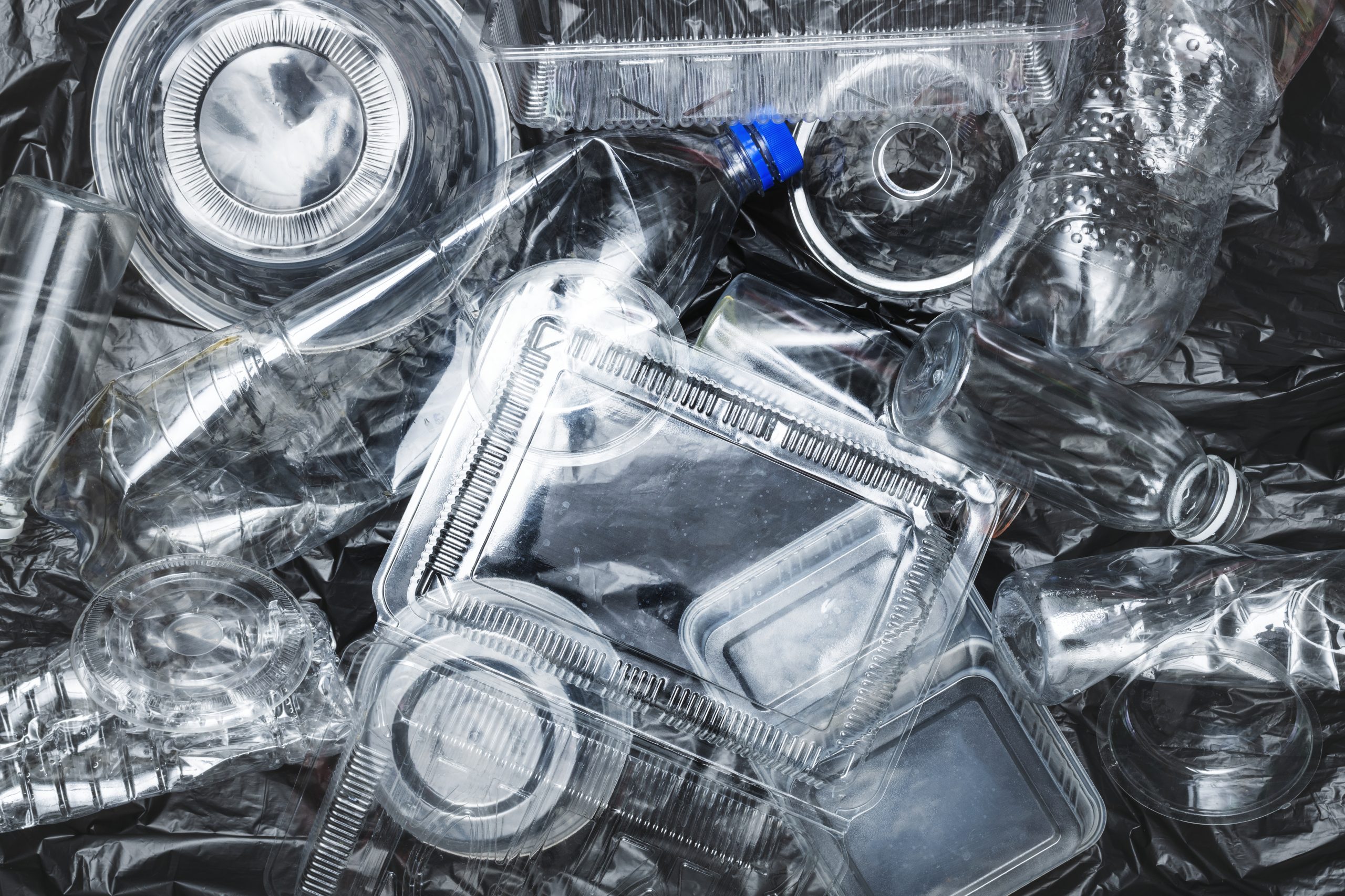
As businesses strive to improve their environmental footprint, the challenge of recycling hard-to-recycle plastics has become more prominent. These materials, often complex in composition or contaminated, pose notable obstacles to traditional recycling processes.
Below, we explore hard-to-recycle plastics, their environmental impacts, and innovative solutions for managing them effectively.
What Are Hard-to-Recycle Plastics?
Hard-to-recycle plastics include a range of materials that conventional recycling facilities struggle to process effectively. These may include:
- Multi-layer packaging.
- Certain types of food packaging.
- Some automotive plastics.
- Specific electronic waste components.
- Plastics with high levels of contamination.
Understanding the nature of these materials is needed for developing effective recycling strategies.
Why Are Some Plastics Harder to Recycle?
Several factors contribute to the difficulty of recycling certain plastics:
Complex Composition
Many hard-to-recycle plastics are made up of multiple layers or materials, which makes separation challenging. For instance, some food packaging may combine different plastic types with metal foils.
Contamination Issues
Plastics contaminated with food residues, chemicals, or other substances require extensive cleaning before recycling, which can be cost-prohibitive.
Lack of Infrastructure
Some plastics require specialised recycling processes for which infrastructure may be limited or non-existent in certain areas.
Economic Challenges
The cost of recycling certain plastics may exceed the value of the recycled material, making it economically not viable without additional incentives or technologies.
What Are the Environmental Impacts of Hard-to-Recycle Plastics?
The challenges associated with recycling hard-to-recycle plastics can have significant environmental consequences. One of the primary issues is landfill accumulation. Many of these plastics end up in landfills, where they can take hundreds of years to decompose. This not only takes up valuable space but also contributes to long-term environmental degradation.
Ocean pollution is another critical concern. Plastics that escape adequate disposal often find their way into our oceans, contributing to marine pollution. This has devastating effects on marine ecosystems, with wildlife often mistaking plastic for food or becoming entangled in plastic waste.
Resource depletion is a further consequence of failing to recycle these plastics effectively. When we can’t recycle these materials, more raw materials are needed to produce new products. This leads to increased extraction of natural resources, putting additional strain on our planet’s already limited supplies.
Finally, the inability to recycle these plastics contributes to an increased carbon footprint. The production of new plastics, rather than recycling existing ones, typically requires more energy and results in higher greenhouse gas emissions. This exacerbates climate change issues, adding to the overall environmental impact of hard-to-recycle plastics..
Innovative Solutions for Recycling Hard-to-Recycle Plastics
Despite the challenges, innovative solutions are emerging to tackle hard-to-recycle plastics:
Chemical Recycling
This process breaks down plastics into their chemical components, creating new, high-quality plastics. It’s especially useful for mixed or contaminated plastics that cannot be mechanically recycled.
Advanced Sorting Technologies
AI-powered sorting systems can more accurately identify and separate different types of plastics, improving recycling efficiency.
Upcycling
Some companies are finding creative ways to turn hard-to-recycle plastics into new, valuable products, such as furniture or building materials.
Biodegradable Alternatives
Developing biodegradable alternatives for hard-to-recycle plastics can reduce long-term environmental impact.
How Packaging Reuse Addresses Hard-to-Recycle Plastics
We believe the challenge of hard-to-recycle plastics is urgent, so we’re at the forefront of tackling the challenges posed by hard-to-recycle plastics. Our plastics recycling services are designed to handle even the most challenging materials. We employ:
- Advanced sorting technologies to accurately separate different plastic types.
- Partnerships with recycling facilities for complex materials.
- Innovative cleaning processes to deal with contaminated plastics.
- Ongoing research into new recycling methods for hard-to-recycle items.
Our approach ensures that we can offer comprehensive solutions for businesses dealing with a wide range of plastic waste.
Get in Touch Today
Contact us to learn how we can help your business tackle the challenge of hard-to-recycle plastics. Our team is ready to develop tailored solutions that address your recycling needs and help you contribute to a sustainable future while optimising your waste management processes.


