
Comparing Plastic Recycling Methods: Mechanical vs. Chemical
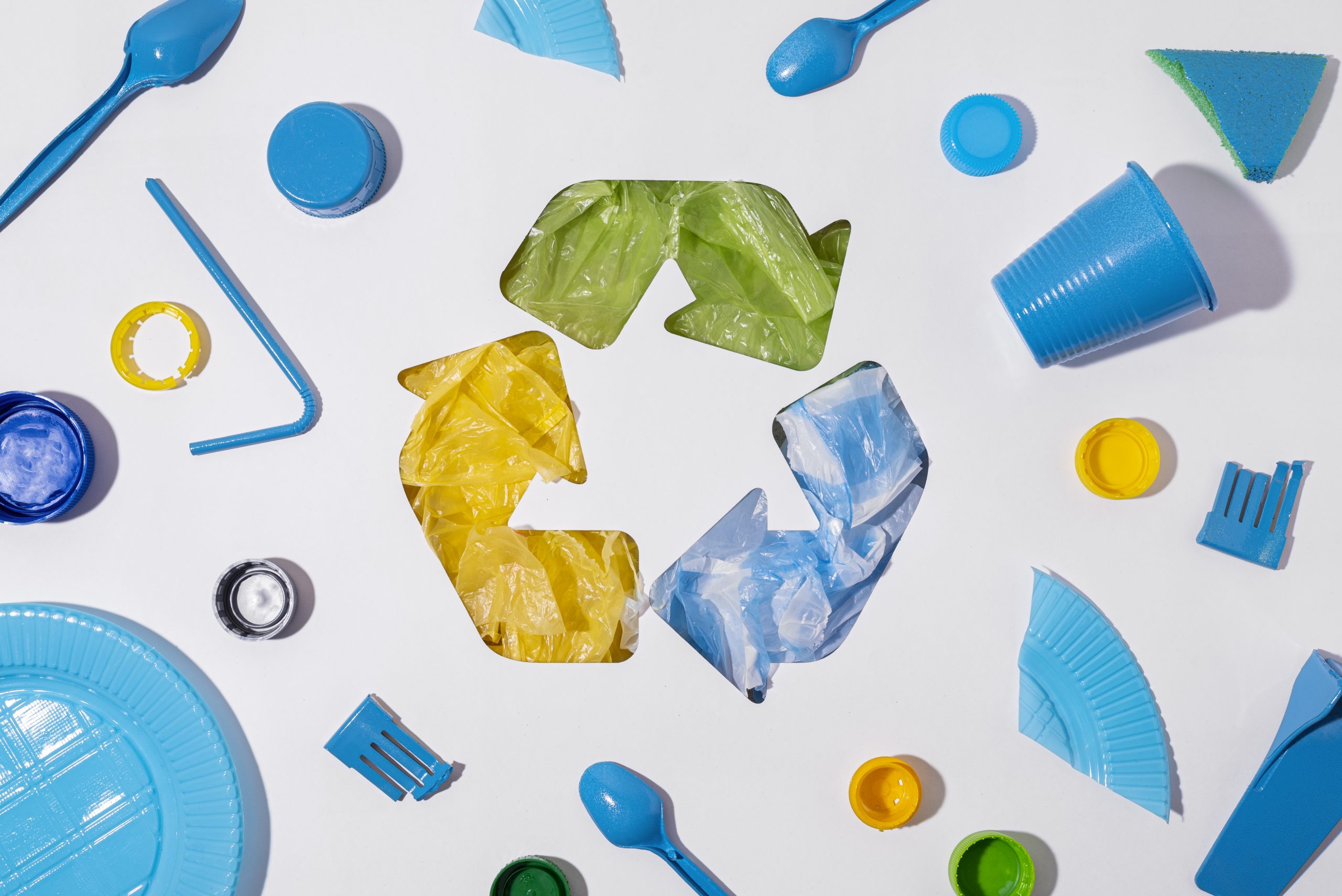
Understanding the differences between mechanical and chemical plastic recycling is becoming important for UK businesses looking for sustainable waste management solutions.
As plastic waste continues to present environmental challenges, the recycling industry has developed diverse material processing approaches to meet these challenges. At Packaging Reuse, our plastics recycling services include practical approaches to providing optimal solutions for various plastic waste streams.
What Is Mechanical Plastic Recycling?
Mechanical recycling represents the traditional approach to processing plastic waste. This method involves physically breaking down plastics without changing their chemical structure through collection, sorting, cleaning, shredding, melting, and reformation into new products.
This approach has served as the backbone of plastic recycling for decades. It works best with clean, homogeneous plastic streams and is especially effective for thermoplastics like PET and HDPE. The output quality depends on the input purity, so proper sorting and cleaning are essential.
How Does Chemical Plastic Recycling Work?
Chemical recycling breaks plastics down to their molecular level, altering the chemical structure of the plastic waste and converting it back into basic chemical building blocks, monomers, or fuels.
Various technologies, including pyrolysis, gasification, hemolysis, and solvolysis, fall under this umbrella. Each applies different conditions to deconstruct polymer chains. The resulting products can serve as feedstock for creating new plastics or other chemical products, effectively closing the loop in plastic production.
What Are the Key Advantages of Mechanical Recycling?
Mechanical recycling offers several worthwhile benefits:
- Energy efficiency is a primary advantage, with mechanical processes typically consuming less energy than chemical alternatives.
- Lower implementation costs due to established infrastructure and less complex technology requirements.
- Reduced environmental impact through lower emissions compared to chemical processes, which require high temperatures.
- Greater accessibility for businesses of various sizes due to its technological simplicity and widespread availability.
- Proven cost-effectiveness for common plastics like PET bottles and HDPE containers.
Our industry-recognised recycling services include modern-day mechanical recycling capabilities for these materials.
What Advantages Does Chemical Recycling Offer?
Chemical recycling provides distinct advantages that complement mechanical approaches. Versatility is a key benefit, as chemical processes can handle mixed, contaminated, or complex plastic waste that mechanical recycling cannot effectively process. This reduces the need for perfect sorting and cleaning.
Chemical recycling breaks down plastics into molecular components, eliminating accumulated additives, contaminants, and degradation products. This makes it valuable for food-grade applications with strict purity standards.
Chemical recycling can also process plastics that are challenging for mechanical methods, including thermosets, multi-layer packaging, and heavily contaminated materials.
What Are the Limitations of Mechanical Recycling?
Despite its benefits, mechanical recycling faces several constraints worth discussing. One is the dependency on input quality, as contamination impacts output quality. This sensitivity necessitates thorough sorting and cleaning, which increases processing costs.
Degradation through multiple recycling cycles means plastics may experience property deterioration with each cycle, often resulting in “downcycling” rather than actual recycling. Certain plastic types, especially thermosets, multi-layer materials, and heavily contaminated plastics remain fundamentally unsuitable for mechanical recycling regardless of sorting quality.
What Challenges Does Chemical Recycling Face?
Chemical recycling encounters its own set of challenges:
- Higher energy requirements result in increased operational costs and potentially greater carbon footprints.
- Less developed commercial infrastructure, with many technologies still scaling up.
- Higher implementation costs, both for initial facility establishment and operations.
- Regulatory uncertainties regarding classification and oversight.
- Variable process efficiency depends on input materials and technology.
These factors currently limit the widespread adoption of chemical recycling, though ongoing developments continue to address these challenges.
How Do Environmental Impacts Compare Between Methods?
Mechanical recycling generally produces lower greenhouse gas emissions due to lower energy requirements and more straightforward processing. Its established status means more comprehensive life cycle assessment data is available.
Chemical recycling typically requires more energy but may deliver better environmental benefits when processing otherwise unrecyclable materials. The environmental equation becomes more favourable when chemical recycling diverts difficult plastics from landfills or incineration.
Both approaches reduce virgin plastic production, decrease landfill usage, and lower overall carbon footprints compared to new plastic manufacturing.
Which Plastic Types Suit Each Recycling Method?
Mechanical recycling works best for thermoplastics like PET, HDPE, PP, and LDPE. When adequately sorted, these materials can be melted and reformed repeatedly without major chemical degradation.
Chemical recycling excels with materials challenging for mechanical processes: multi-layer packaging, composite materials, contaminated plastics, and thermoset plastics like polyurethane or epoxy resins.
Understanding which method suits your waste stream is important for optimal recycling outcomes. As discussed in our blog about improving plastic recycling rates, choosing the best recycling method enhances overall recycling performance.
How Do Costs Compare Between Mechanical and Chemical Recycling?
Mechanical recycling involves lower operating costs due to less energy consumption and simpler technology. However, thorough sorting and cleaning can be expensive, mainly for mixed or contaminated waste.
Chemical recycling generally entails higher processing costs due to complex technology, greater energy requirements, and smaller-scale operations. However, these costs may decrease as technologies mature and scale up.
The economic equation changes when considering plastics that cannot be mechanically recycled. In these cases, chemical recycling may offer the only viable alternative to disposal.
How Can Businesses Choose the Best Recycling Method?
Businesses should consider several factors when determining the most appropriate recycling approach:
- Waste composition – Homogeneous, clean plastic waste typically requires mechanical recycling, while mixed or complex plastics may require chemical solutions.
- Volume – Mechanical recycling often becomes more economical for suitable materials on larger scales.
- Quality requirements – applications requiring food-grade materials may benefit from chemical recycling’s ability to produce virgin-equivalent quality.
- Cost sensitivity – budget constraints may favour established mechanical processes for suitable waste streams.
- Sustainability goals – corporate environmental targets might justify investment in advanced recycling technologies.
Most companies benefit from a hybrid approach, directing different waste streams to the most appropriate recycling method. Our team at Packaging Reuse can help assess your plastic waste streams and recommend optimal recycling solutions. We also offer paper and cardboard recycling services for comprehensive waste management.
Partner with Packaging Reuse for Advanced Plastic Recycling Solutions
As waste disposal experts in the UK, we offer comprehensive plastic recycling solutions that leverage mechanical and chemical approaches to maximise recovery rates for all types of plastic waste.
Our team analyses your waste streams to determine the most effective recycling methods, considering material composition, quality requirements, and sustainability goals. We maintain partnerships with advanced recycling facilities across the UK, ensuring your plastic waste receives the most appropriate treatment regardless of type.
Get in Touch Today
Contact us to discuss how we can help optimise your plastic recycling programme by strategically applying both mechanical and chemical recycling methods. Our team will assess your current waste streams and develop a tailored solution that maximises recycling rates while meeting your quality and cost requirements.


