
The Impact of Legislation on Plastic Recycling in the UK
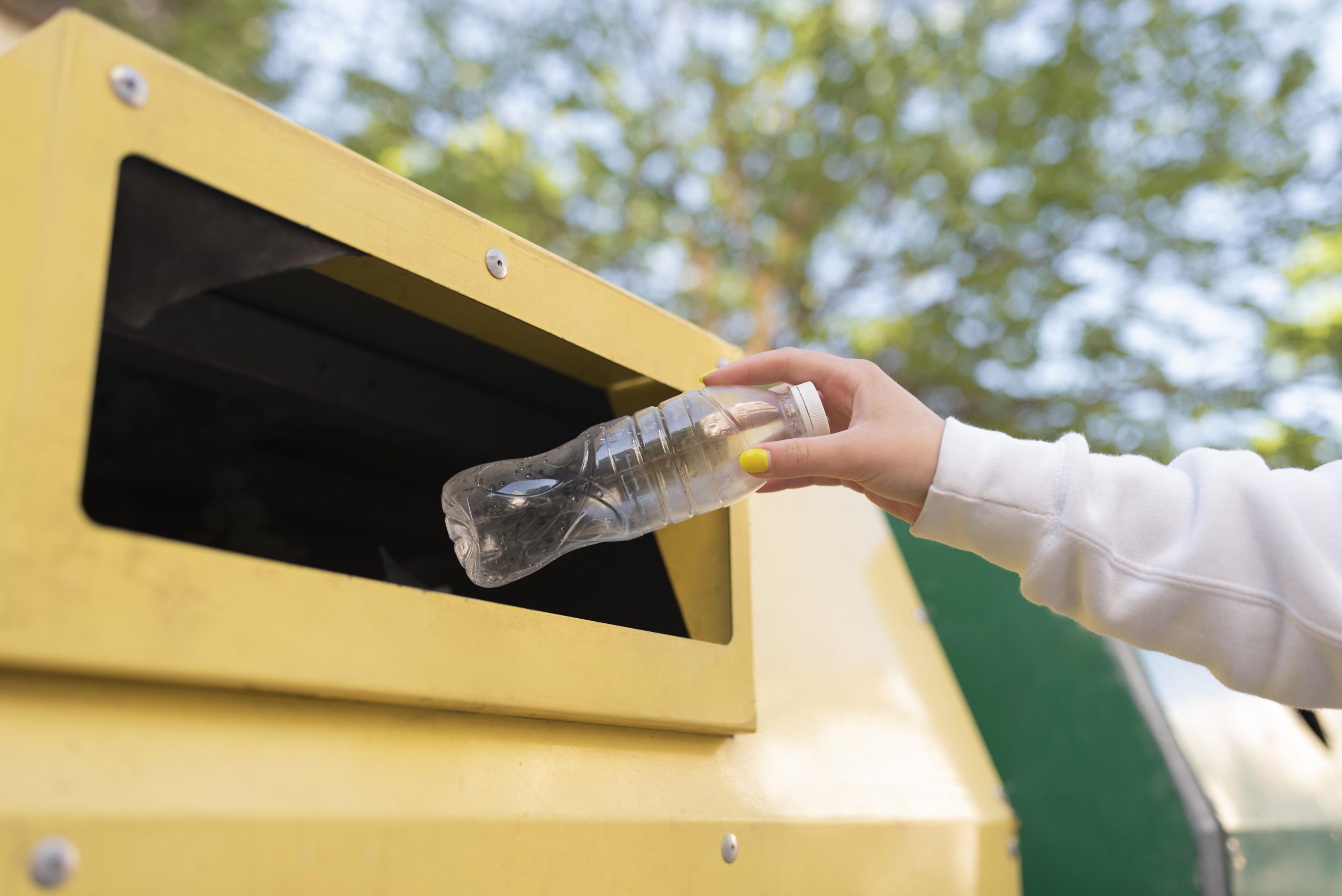
UK plastic recycling legislation has changed in recent years, creating challenges and opportunities for businesses in various sectors. Understanding these regulations is needed to remain compliant while optimising recycling processes optimally.
Below, we examine how key legislation affects business operations, upcoming changes, and strategies for navigating this regulatory landscape while meeting sustainability goals.
What Are the Key Plastic Recycling Laws in the UK?
The UK’s plastic recycling framework comprises several interconnected pieces of legislation:
The Environmental Protection Act of 1990
This foundational legislation established the duty of care for waste producers, requiring businesses to handle waste responsibly throughout their journey. This means using only authorised waste carriers and maintaining proper documentation for businesses handling plastic waste.
The Producer Responsibility Obligations (Packaging Waste) Regulations
Introduced in 1997 and regularly updated, these regulations implement Extended Producer Responsibility (EPR). Companies handling over 50 tonnes of packaging annually with turnover exceeding £2 million must finance packaging waste recovery and recycling. Our plastics recycling services help businesses meet these obligations effectively.
The UK Plastic Packaging Tax
This tax applies to plastic packaging and is charged at £217.85 per tonne from 1. It aims to increase demand for recycled plastic and reduce virgin plastic usage, affecting manufacturers and importers across industries.
The Environment Act 2021
This landmark legislation created the framework for major waste management changes, introducing consistent recycling collections across England, a deposit return scheme for beverage containers, and an enhanced EPR system for packaging.
How Has Recent Legislation Changed the Landscape for Businesses?
Recent legislative changes have fundamentally altered how UK businesses approach plastic waste:
- Increased financial responsibility through the plastic packaging tax.
- Enhanced reporting requirements demanding more detailed documentation.
- Stricter quality standards for recycled materials.
- Extended producer responsibility, shifting costs to producers and users.
- Mandatory recycling content requirements driving demand for recycled plastics.
These changes have created a more rigorous compliance environment, stimulating innovation in recycling technologies and materials.
What is the Extended Producer Responsibility (EPR) Scheme?
The Extended Producer Responsibility scheme represents a fundamental shift in UK recycling legislation that places greater financial and operational responsibility on businesses for the packaging they introduce to the market. Under the enhanced EPR framework, companies will bear the full net cost of managing their packaging waste—from collection through sorting and recycling—marking a substantial increase from the approximately 10% they covered previously.
The scheme employs modulated fees, charging businesses less for easily recyclable packaging and more for problematic materials, creating direct financial incentives for improved design. Additionally, EPR mandates more transparent labelling to help consumers understand recycling instructions, reducing contamination issues that our packaging recycling services frequently address.
The scheme introduces mandatory reporting requirements for businesses, necessitating robust systems to track packaging materials, weights, and recycled content percentages throughout their supply chains.
How Does the Plastic Packaging Tax Affect Business Operations?
The Plastic Packaging Tax (PPT) has created several operational impacts:
- Supply chain adjustments should be made to source higher recycled content packaging.
- Administrative requirements for registration, record-keeping, and reporting.
- Product development challenges where technical requirements limit recycled content.
- Competitive advantages for businesses innovating with high-recycled-content packaging.
Our paper and cardboard recycling services offer alternatives with fewer regulatory restrictions for specific applications.
What Challenges Do Businesses Face in Compliance?
Complying with evolving legislation presents some of the following stumbling blocks:
Data Management Requirements
Companies must maintain detailed records of materials, weights, recycled content percentages, and waste processes, requiring sophisticated tracking systems.
Supply Chain Complexity
Some businesses have limited visibility into their extended supply chains, making it difficult to verify recycled content claims or stay compliant throughout the product lifecycle.
Technical Limitations
Achieving high recycled content while maintaining product performance remains technically challenging for food, medical, and high-performance sectors.
Cost Management
The financial implications of new regulations require strategic planning to minimise the impact while maintaining competitive pricing and product quality.
What Are the Benefits of Legislative Compliance Beyond Avoiding Penalties?
Proactive compliance offers strategic advantages beyond penalty avoidance:
- Enhanced brand reputation from demonstrating environmental responsibility increasingly influences purchasing decisions, creating marketing opportunities.
- Supply chain resilience improves as businesses develop transparent, responsible material-sourcing networks that better withstand regulatory changes.
- Innovation opportunities emerge when companies rethink product design and materials, often yielding unexpected cost, performance, or market differentiation benefits. Waste reduction typically accompanies compliance efforts, generating operational savings that can offset regulatory costs while supporting sustainability goals.
Partner with Packaging Reuse for Legislation-Compliant Recycling Solutions
Navigating the complex landscape of UK plastic recycling legislation requires expert guidance and support. We are experienced in helping businesses develop compliant, cost-effective approaches to plastic waste management. Our team translates complex legal requirements into practical operational guidance. We provide tailored solutions that address specific compliance challenges while optimising recycling outcomes and minimising costs.
We can help companies adapt to legislative requirements while improving their environmental performance through waste audits, process optimisation, and documentation systems.
Get in Touch Today
Contact us to discuss how we can help your business navigate UK plastic recycling legislation. Our team will develop a tailored compliance strategy that meets regulatory requirements while supporting your operational and sustainability goals.
Sources:


