
Designing For Durability: The Next Generation Of Reusable Packaging
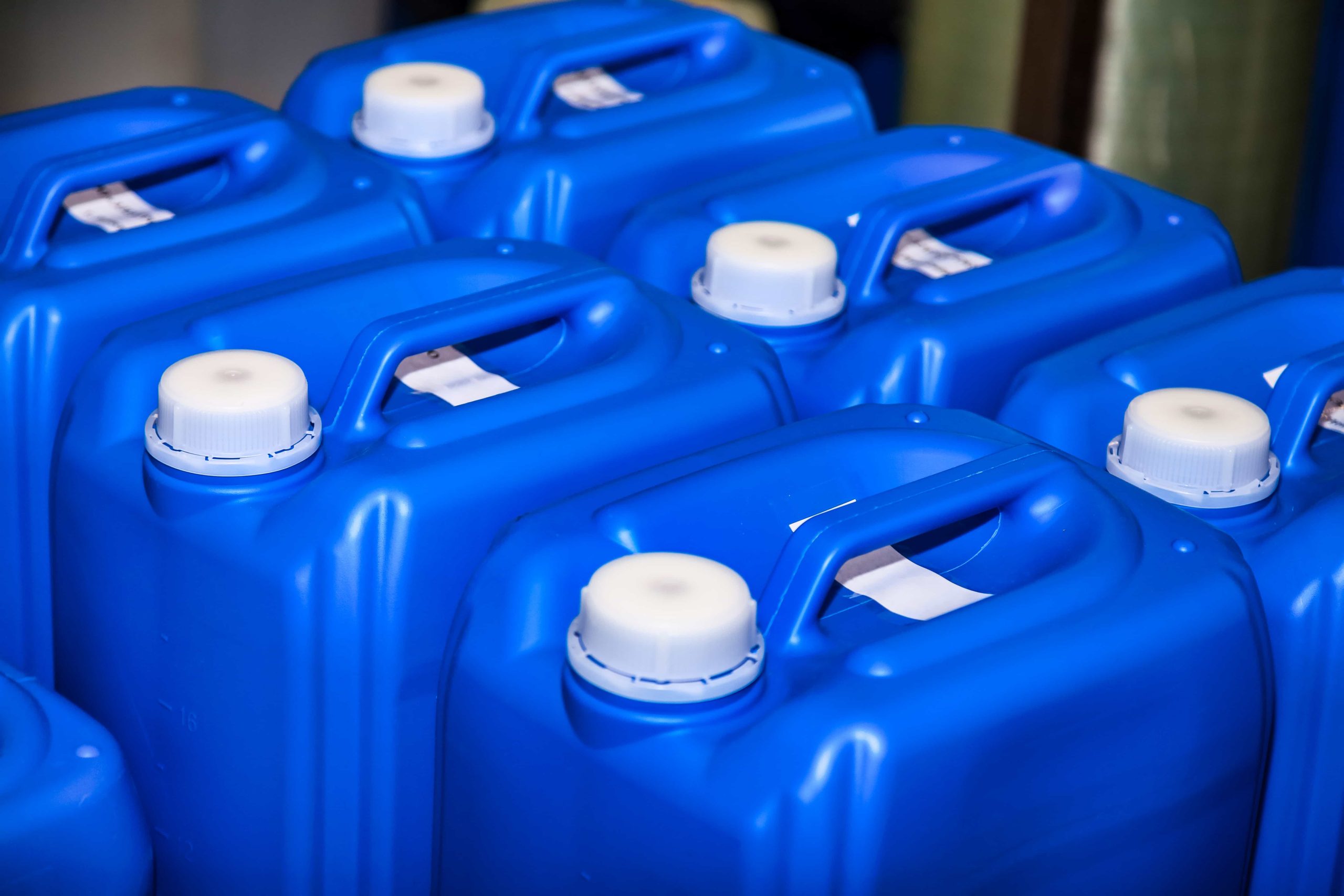
The future of packaging lies in designs that prioritise durability and reusability over single-use convenience. As businesses face mounting pressure to reduce their environmental impact and manage costs, durable reusable packaging is emerging as an important sustainable solution. Next-generation designs combine advanced materials, smart engineering and user-focused features to create packaging that can withstand multiple use cycles, transforming packaging from a disposal liability into a valuable business asset.
Below, we explore durable reusable packaging and what to expect looking ahead.
What Defines Durable, Reusable Packaging?
Durable reusable packaging goes beyond basic functionality to include design elements that support extended lifecycles and multiple applications. Unlike conventional packaging designed for single use, these environmentally friendly solutions prioritise structural integrity, material resilience and adaptability across different use cases.
Key characteristics include robust construction that performs reliably through repeated handling, cleaning and transportation cycles. Materials selection focuses on resistance to wear, chemical compatibility and environmental factors. Design features support easy cleaning, inspection and maintenance to extend useful life.
Next-generation durable packaging incorporates modular design principles, allowing components to be replaced or upgraded rather than needing a complete replacement. This approach enhances the value of reconditioned packaging by extending its usefulness through targeted maintenance.
How Are Design Principles Evolving for Durability?
Modern packaging design emphasises durability through some of the following approaches:
Material Innovation
Advanced polymer formulations and metal alloys provide improved resistance to stress, chemical exposure and environmental degradation. This allows them to retain performance characteristics through multiple use cycles whilst supporting sustainable manufacturing practices.
Structural Engineering
Design features like reinforced stress points, impact-resistant corners and flexible joint systems help packaging withstand repeated use. Strategic material distribution optimises strength-to-weight ratios for efficient handling of reusable containers.
Modular Architecture
Component-based designs allow selective replacement of worn elements rather than complete package disposal, supporting cost-effective maintenance and upgrades that extend the overall package life for returnable packaging systems.
User-Centred Features
Ergonomic handling elements, clear inspection points and simplified cleaning access improve the user experience and support professional maintenance practices that extend packaging durability.
What Are the Business Benefits of Investing in Durable Packaging?
Businesses that adopt durable reusable packaging solutions can realise some of the following advantages:
- Reduced procurement costs through extended package lifecycles
- Lower waste disposal expenses and environmental fees
- Improved return on packaging investments through multiple use cycles
- Reduced exposure to packaging cost inflation through longer asset retention
- Reliable performance across multiple applications and environments
- Simplified inventory management through standardised eco-friendly solutions
- Enhanced brand reputation through demonstrated environmental responsibility
- Improved customer relationships through sustainable packaging practices
How Do Different Industries Approach Durable Packaging Design?
Businesses in different sectors are developing industry-specific approaches to sustainable packaging options:
Chemical and Pharmaceutical Industries
High-value contents justify investment in premium durable packaging that can withstand rigorous cleaning and certification processes. IBCs and metal drums designed for chemical applications incorporate chemical-resistant coatings and enhanced sealing systems.
Food and Beverage Sector
Food-grade durable packaging focuses on materials that protect hygiene standards through repeated cleaning cycles, with design features supporting thorough sanitisation and inspection to safeguard food safety compliance.
Industrial Manufacturing
Heavy-duty applications require packaging capable of handling rough and extreme conditions. Plastic drums and containers for industrial use utilise reinforced structures and impact-resistant materials.
What Technologies Are Supporting Next-Generation Durability?
Emerging technologies are rapidly changing durable packaging design in the following ways:
- Self-healing polymers that repair minor damage automatically
- Nano-enhanced coatings providing superior barrier properties
- Smart materials that respond to environmental conditions
- Recycled content formulations that maintain performance standards
- 3D printing enables complex geometries optimised for durability
- Precision moulding techniques create seamless, stress-resistant structures
- Advanced welding methods that eliminate weak points
- Quality control systems ensure consistent durability performance
How Does Durability Support Circular Economy Goals?
Durable reusable packaging keeps materials in productive use longer, reducing demand for virgin materials and manufacturing energy. Extended lifecycles support resource conservation and emission reduction goals through sustainable design principles.
The design philosophy underlying durable packaging aligns with circular principles by prioritising repair, reconditioning, and component reuse over disposal. Professional reconditioning services become key partners, providing the expertise and infrastructure needed to maintain durability standards across multiple use cycles for returnable packaging systems.
How Can Businesses Implement Durable Packaging Strategies?
Successful implementation requires systematic planning that takes the following into account:
- Start by conducting a comprehensive assessment of current packaging usage, focusing on high-volume applications where durability improvements can have the greatest impact.
- Consider new packaging designed for durability and opportunities to upgrade existing solutions.
- Develop partnerships with packaging specialists who understand durability requirements and industry-specific applications.
- Implement tracking systems to monitor packaging performance across multiple use cycles, document durability achievements, and identify opportunities for improvement.
- What Does the Future Hold for Durable Packaging Design?
The evolution of durable reusable packaging will likely focus on increased intelligence, adaptability and integration with broader business systems. Smart packaging incorporating sensors will provide real-time information about condition and maintenance needs.
Partner with Packaging Reuse for Durable Packaging Solutions
At Packaging Reuse, we understand the importance of durability in reusable packaging systems. Our expertise in industrial packaging reconditioning helps businesses implement effective, durable packaging strategies that deliver economic and environmental benefits that matter.
We work with companies to identify opportunities for implementing durable packaging, whether through upgraded specifications or better maintenance programmes for existing assets. Our reconditioning services extend the life of durable packaging to improve the returns on packaging investments.
Our team stays current with developments in durable packaging design to guide clients on emerging opportunities that could benefit their operations. Contact us to discuss how durable reusable packaging can benefit your business operations.


